
Soundscapes for recovery.
What you play during breaks matters more than what you play during work.
The productivity audio industry has the framing backwards. Focus music, concentration playlists, study soundscapes — the entire category is built around the idea that what you hear while you're working is what determines how well you work. The research says something different, and the difference is worth understanding before you reach for headphones.
Directed attention — the kind you use for complex thinking, writing, analysis, anything that requires sustained deliberate effort — depletes with use. It doesn't deplete because you're lazy or unfocused. It depletes because it's a finite cognitive resource with a biological basis, and the modern knowledge worker's day is almost perfectly designed to exhaust it as quickly as possible. Meetings, notifications, context switching, back-to-back tasks without recovery. By early afternoon, most people are doing demanding work on a significantly depleted system and wondering why it feels hard.
The question isn't what to play while the depletion is happening. It's what to do when it has.
The mechanism.
Attention Restoration Theory, developed by Rachel and Stephen Kaplan across decades of research, identifies natural environments as the most effective non-sleep recovery tool for directed attention. The mechanism is soft fascination: stimuli that gently engage involuntary attention — the part of attention that runs on interest rather than effort — without making demands on the directed system. When your involuntary attention is softly engaged, your directed attention system rests. That's restoration.
The reason this matters specifically for knowledge workers is that subsequent research found the same mechanism operates through natural sounds alone, without the visual environment. A 2017 neuroimaging study by Gould van Praag and colleagues compared participants listening to naturalistic sounds — flowing water, birdsong — against artificial sounds, including office equipment and traffic. Naturalistic sounds produced measurably different default mode network connectivity: less self-referential processing, reduced mind-wandering, and a cleaner attentional state following the exposure. Not during. After.
That's the operative word. After.
→ See the full evidence base: Attention Restoration Theory
During work and between sessions.
This is the distinction that almost everyone who writes about focus audio misses. The evidence supports using natural sounds as a recovery tool in the rest phase of a work cycle — during the break between deep work blocks, not as a backdrop to the work itself.
During focused work, your directed attention system is active. It doesn't need engaging — it needs protecting from distraction. A nature soundscape playing while you write or analyse is, at best, neutral. For anything involving language — drafting, reading complex material, anything where the inner voice is part of the process — it will compete for auditory resources and cost you something you can't easily measure.
During the break, it's different. The directed attention system is looking for a reason to stop. Natural sounds give it one. Ten to fifteen minutes is enough for measurable restoration; longer works better. The goal is to let the system genuinely rest, not to give it something else to process.
→ See: Ultradian Rhythms
Our Soundscapes
Four recordings, each an hour long. Consistent natural environments recorded without sudden variation or surprise — the auditory equivalent of soft fascination. Put them on during the break between sessions. Step away from the screen if you can. Come back when they end.
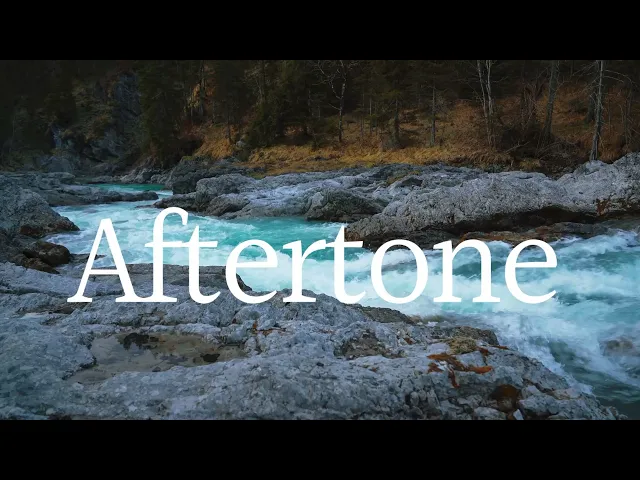
Forest River
The steadiest sound of the four. A mountain river at full flow — broadband, consistent, loud enough to make the room you're in disappear. If you work somewhere acoustically difficult — an open office, a kitchen table with a household around it, a coworking space where other people's conversations keep pulling you out — this is the one. The unbroken sound of moving water provides the soft fascination the research describes without asking anything of the attention system it's trying to rest.
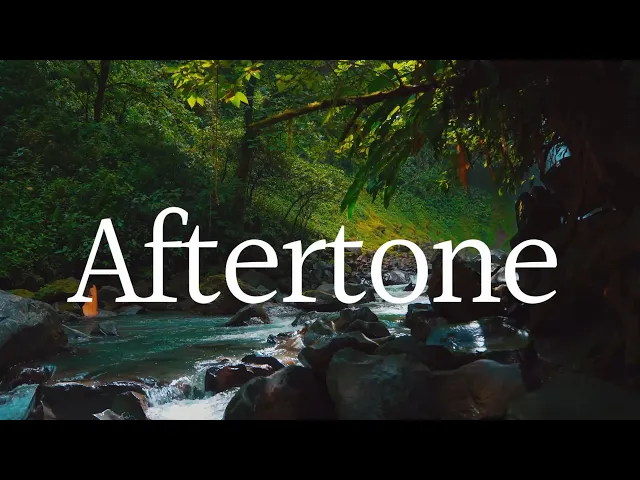
Forest Creek
The lightest of the four. A forest creek trickling through the woods — lower in intensity, with more space and air in the sound than the river recordings. Better suited to the gentler recovery windows: a break that needs to feel like an exhale rather than a reset, a transition between two lighter tasks, or the end-of-day decompression before you close. The creek moves without insistence. It asks nothing.
Mountain Waterfall
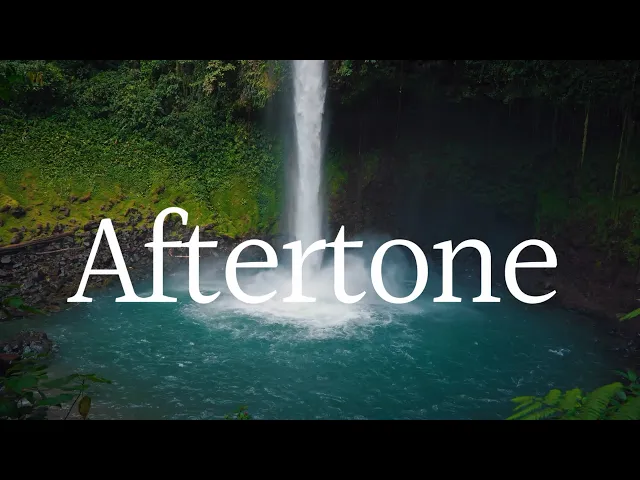
A waterfall recorded close — the full weight of falling water, not a background impression of one. The heaviest acoustic environment of the four, and the most effective at masking genuinely difficult conditions. Use it when the external noise problem is serious, when the fatigue is deep enough that a gentle soundscape won't hold attention, or when you need the rest period to feel like a genuine interruption of the mental state you're leaving behind.
Forest Stream
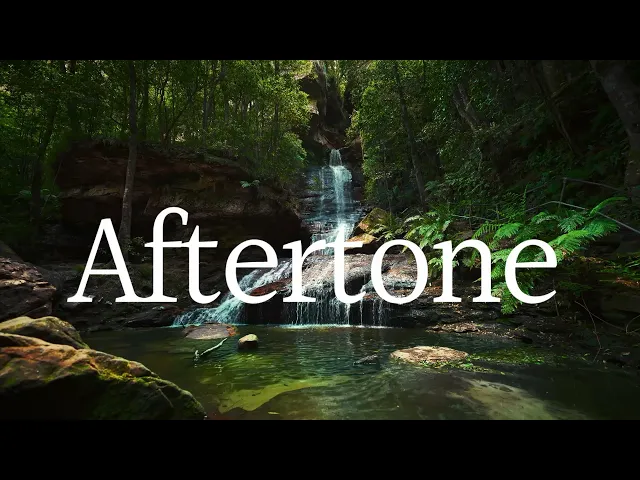
A forest stream alongside a small waterfall, recorded together. The most layered of the four — water movement, a waterfall at distance, and the ambient presence of the surrounding forest held within a consistent acoustic character. Not a single sound but a complete environment. The one to reach for when the other three feel either too loud or too sparse, and when what you need from the break is the sense of being somewhere else entirely.
How to structure this into a working day
The model that fits the evidence is straightforward. A deep work session of 90 minutes. A genuine break of 10 to 20 minutes — soundscape on, screen off or away. Another deep work session. The break isn't a reward for finishing the session. It's the mechanism that makes the next session possible at the same standard as the first.
Most people don't take this break because taking it requires a decision, and by the end of a 90-minute session, decision-making capacity is already depleted enough that the easier path — pushing on, opening the phone, half-resting while staying connected — wins by default. The result is a second session done on significantly less cognitive resource than the first, without any awareness of the difference.
What not to do with the break: open your phone. The research on passive screen consumption during rest periods consistently finds it prolongs rather than resolves directed attention fatigue. The stimuli are hard, not soft — they compete for the attention system rather than resting it. A break that involves scrolling is not recovery. It's depletion with a different texture.
Using this with Aftertone
Press B during any focus session to add a break to your calendar automatically. Focus Mode pauses and resumes when the break ends — you don't lose your place in the session, and the break appears in your weekly report alongside your flow hours. This is the structural wrapper that makes deliberate restoration possible: it removes the decision of whether to take the break and replaces it with a designed interval.
The weekly report shows where in the day your focus sessions were most and least productive. Over time this data reveals the pattern — when directed attention fatigue typically sets in, whether the break before a second session is making a measurable difference to its quality. Most people find the pattern is more consistent than they expected and the intervention is simpler: one genuine break, with the conditions actually present for restoration to happen, between the first and second block of the day.
The evidence,
Three studies underpin how these soundscapes were designed.
Kaplan, S. (1995) established that natural environments restore directed attention through soft fascination — stimuli that engage involuntary attention without drawing on the directed system. The paper proposed that modern work environments are structurally low in soft fascination, which explains cognitive fatigue independent of sleep or physical tiredness.
Gould van Praag, C. D., et al. (2017) provided the neuroimaging evidence specifically for sounds: naturalistic audio produces measurably different default mode network connectivity than artificial sound, with less mind-wandering and a cleaner attentional state after exposure.
Jahncke, H., et al. (2011) found that participants who listened to nature sounds during breaks in a simulated office environment showed significantly better performance on subsequent attention tasks than those exposed to office noise or silence.
FAQs
Should I use these soundscapes while I'm working or during breaks?
During breaks. This is the distinction most focus audio gets wrong. Directed attention is active during focused work — it needs protecting, not engaging. Natural sounds produce their restorative effect during the rest phase between sessions, not running underneath them. For anything language-heavy, writing, reading complex material, or drafting, any background sound competes for auditory resources and costs you something you can't easily measure. Put a soundscape on when you finish a session. Not before.
What is the difference between the four soundscapes?
They differ in intensity, and the difference is meaningful. The Forest Creek is the softest — lower in volume, more air in the recording, suited to quieter environments or lighter recovery windows where you want presence without weight. The Mountain River is consistent and broadband, the most effective at masking moderate ambient noise without demanding attention. The Forest Stream layers a stream and a small waterfall together, more textured than the river, closer to a complete natural environment. The Mountain Waterfall is the heaviest of the four — a powerful recording designed for high-distraction environments or when fatigue is deep enough that a gentler sound simply won't hold. Choose based on where you are and how depleted you feel.
How long should I listen for the break to count?
The research suggests ten to twenty minutes produces reliable restoration of directed attention. Exposures under five minutes show weaker effects. The hour-long format is intentional — you do not need to manage the sound or watch a timer during the break. Start it, step away from the screen, and let it run. If you only have fifteen minutes, that is enough. The goal is genuine disengagement from the task, not a specific duration.
Why water sounds rather than music or white noise?
Music with any structure, even familiar or instrumental, demands a processing layer that draws on cognitive resources. That layer is small but it is there, and during a recovery break it works against what you are trying to do. White noise masks effectively but lacks soft fascination, the quality that gently engages involuntary attention without taxing it. Natural water sounds sit in a specific range: consistent enough to be non-distracting, varied enough in the way a real environment is to hold involuntary attention without effort. That combination is what Attention Restoration Theory identifies as specifically restorative rather than merely neutral. A synthetic loop does not produce the same effect.
Do these work without headphones?
They work through speakers. Headphones improve acoustic separation, particularly in shared environments where unpredictable sounds can break through. For open-plan offices or coworking spaces, headphones make the difference between partial and complete masking. In a quiet room at home, speakers are fine. The research does not require headphones — immersion helps, but the restorative mechanism does not depend on it.