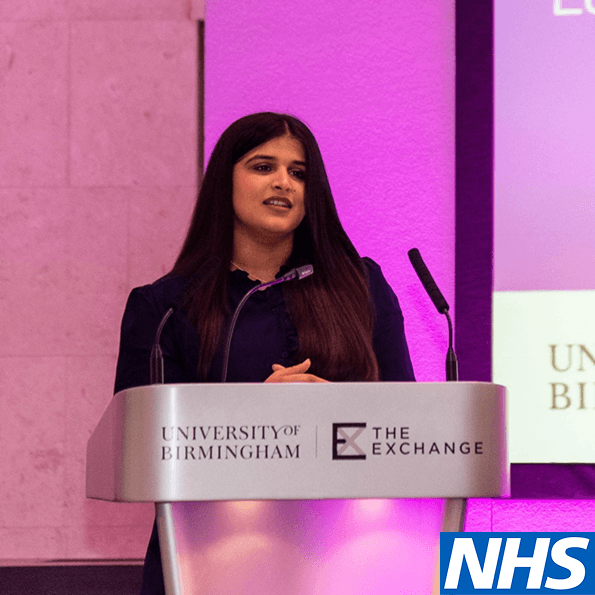
Noreen is an Internal Medicine Trainee, Year 1. Here's how she stopped her non-clinical work from falling through the cracks.
Situation
Specialty medical training is, in practice, two jobs at once.
The first is clinical. Ward rounds, acute takes, referrals, patients. It's immediate, visible, and it will always expand to fill whatever time exists.
The second job is everything the rota doesn't account for. MRCP revision. Portfolio entries. Audits. Reflective logs. None of which is optional and almost none of it has an allocated time slot.
For Noreen, that meant this work drifted. Admin would often pile up and her portfolio work got de-prioritised. Her MRCP revision happened in fragments, squeezed between shifts that ran long. She knew that she needed to get this stuff done but had no reliable system for when it would actually happen.
The Problem With Existing Productivity Tools
Noreen's rota changes week to week. Sometimes day to day. That's the reality of working in acute medicine, and it makes most productivity advice immediately useless.
She'd used Apple Reminders for years. It worked fine until her task list grew long enough that opening it on a busy day felt overwhelming. She also realised that nothing had a time attached to it, so this work would drift.
"I found it very difficult to have a reliable system to get this work done."
How Aftertone Helped
Noreen started time blocking with Aftertone, and her first wow moment was on Sundays.
For the first time, she had a planning view that allowed her to look at the full shape of her week before it started and find time slots for her non-clinical work. From there, her MRCP revision got a recurring slot. Portfolio entries were scheduled like clinical commitments rather than treated as things to do when time appeared. And admin that had been accumulating for months finally landed somewhere.
On the ward, quick capture meant anything that came up mid-shift went straight into Aftertone. She found that this reduced her cognitive load and allowed her to fully focus on the task at hand.
And at the end of each week, the weekly report showed her exactly where her time outside the ward had actually gone. For Noreen, it was the feedback loop she'd never had.
The result
"I finally feel prepared."
Noreen's portfolio is current. Her MRCP revision is consistent. The admin that used to follow her home is now dealt with.
She starts each week knowing what it looks like, with the clinical work and the training work sitting alongside each other rather than competing for whatever's left over.
Aftertone users average 5.3 hours of focused work per day, against a national average of two. Noreen got there in two weeks.

6 Hours
more focussed work each week
14 Days
to see results.
34%
more flow sessions